women artists building bridges between cultures

GALLERY BRULHART

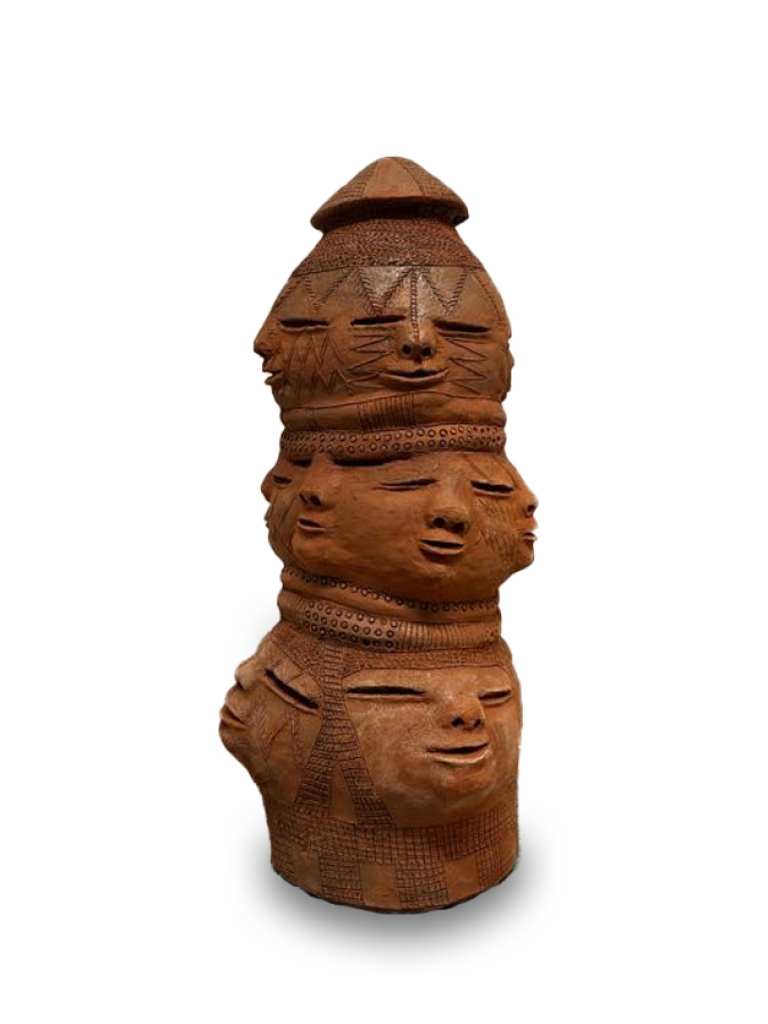
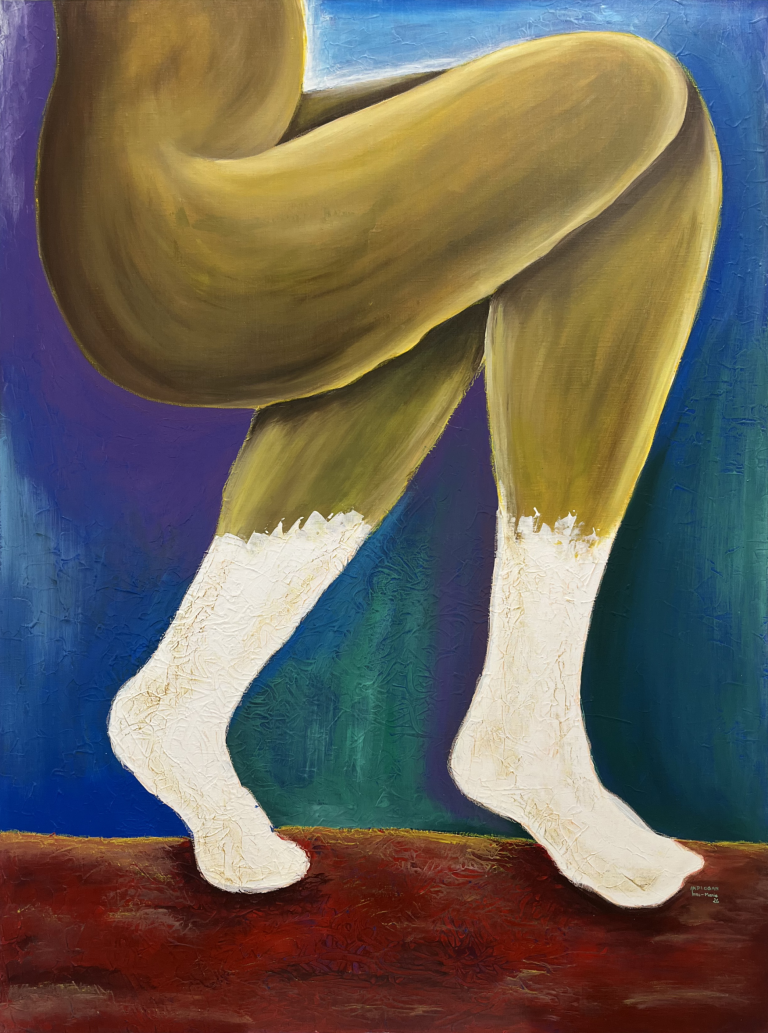
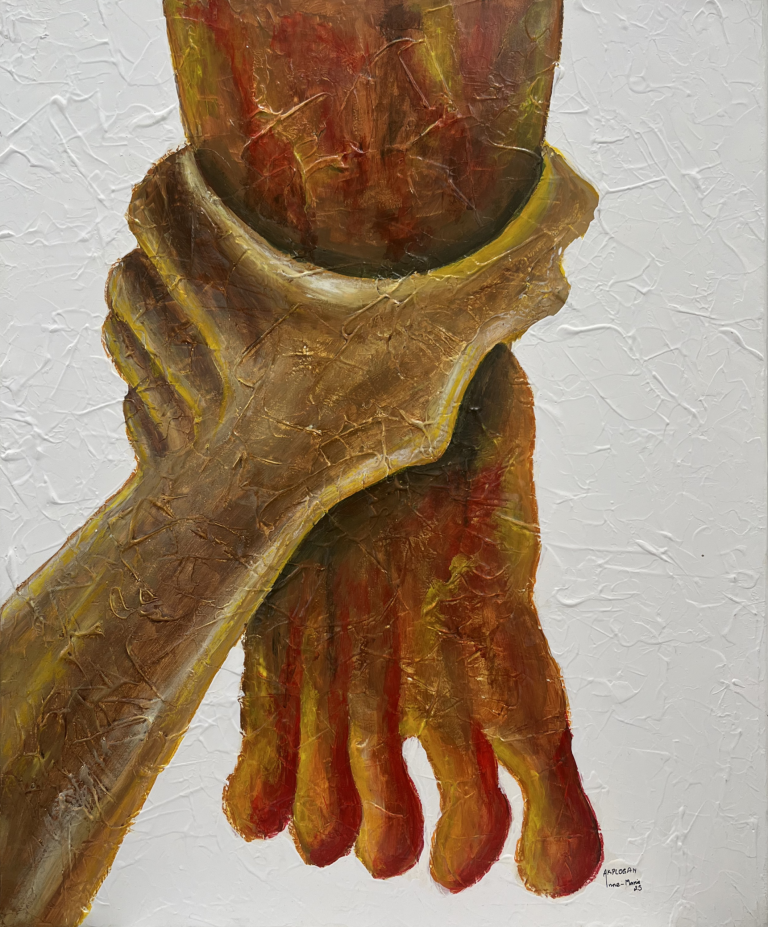
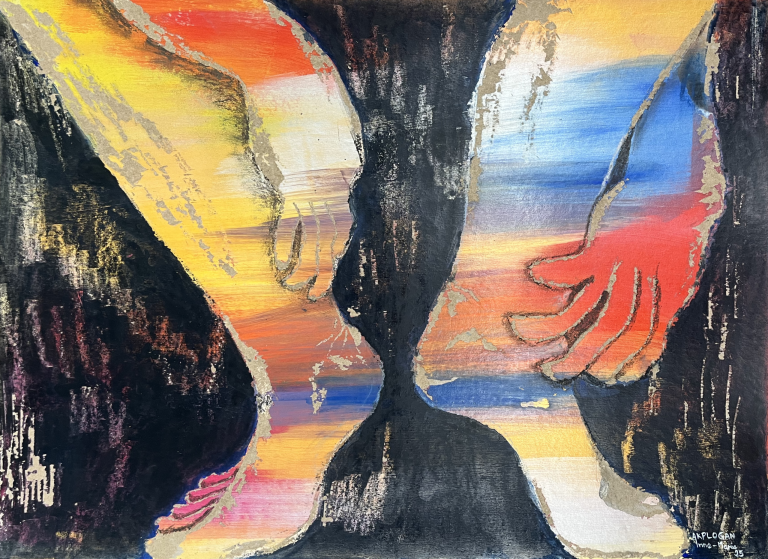
GALLERY BRULHART is a young gallery in Geneva that promotes contemporary art by women of African heritage. The gallery builds bridges between different cultures through art, focusing on women's perspectives.

Featured Artwork

pinza buena_small

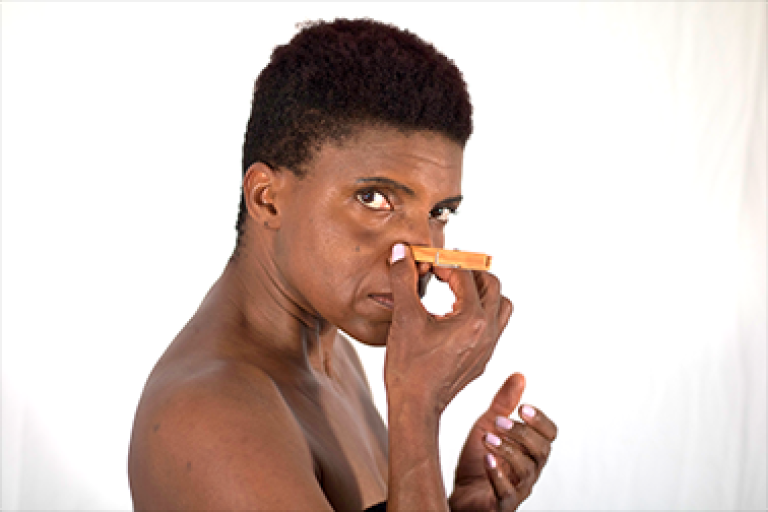
Pince à Nez (Low-cost racist practices)

The Caribbean is a place of encounters and transformations. None of the peoples living there today are indigenous to it in the strict sense. The history of the region is marked by forced displacements, the processes of colonisation, of resistance, and of métissage. From these intersecting trajectories emerge complex identities, formed from fragments of Africa, Europe, Indigenous America, and Asia. This reality, often described as “creolisation,” runs through the works of Kingsley and González Núñez. But these histories do not all benefit from the same visibility. Certain presences have been suppressed or forced into silence, such as the African heritage of the Caribbean. The artists brought together here work within this tension between visibility and erasure.

Ivonne González Núñez approaches these questions through writing, photography, and performance. Her practice often draws from intimate experience so as to speak to collective realities. She stages everyday situations, at times seemingly banal, which nevertheless reveal deeply rooted forms of racism.

Childhood occupies an important place in her practice. She shows how prejudice can be transmitted from a very early age, almost effortlessly, as though it were self-evident. Gestures, words, and looks become forms of aggression, sometimes imperceptible to those who produce them, but long-lasting for those who endure them. By rendering these situations visible, the artist invites us to recognise their impact and to question their normalisation.

ivonne gonzález núñez

performance and writing

photo bras blanc_small

Le miracle du bras blanc (pratiques Cimarronas)

The Caribbean is a place of encounters and transformations. None of the peoples living there today are indigenous to it in the strict sense. The history of the region is marked by forced displacements, the processes of colonisation, of resistance, and of métissage. From these intersecting trajectories emerge complex identities, formed from fragments of Africa, Europe, Indigenous America, and Asia. This reality, often described as “creolisation,” runs through the works of Kingsley and González Núñez. But these histories do not all benefit from the same visibility. Certain presences have been suppressed or forced into silence, such as the African heritage of the Caribbean. The artists brought together here work within this tension between visibility and erasure.

Ivonne González Núñez approaches these questions through writing, photography, and performance. Her practice often draws from intimate experience so as to speak to collective realities. She stages everyday situations, at times seemingly banal, which nevertheless reveal deeply rooted forms of racism.

One dimension of her practice involves revisiting historical images. By appropriating certain representations drawn from European art history, she reveals their underlying violence. What once appeared natural or neutral suddenly becomes disturbing. By reversing roles or shifting points of view, she opens a critical space: what do we truly see? And what have we learned not to see? González Núñez was deeply marked by a work she encountered at the Museo del Prado after arriving in Europe in the 1990s: The Miracle of Saints Cosmas and Damian (c. 1510), painted by Fernando del Rincón. The painting depicts the story of the first successful transplant, made possible through the desecration of the body of a non-consenting Ethiopian man. González Núñez transposes “the miracle of the black leg” into “the miracle of the white arm,” and suddenly the reversal becomes absurd, unthinkable and violent. Through this gesture, the artist, whose anti-racist engagement extends across both her professional and personal life, draws attention to a medical act that passes largely unnoticed at the Museo del Prado in Madrid, yet constitutes yet another violence against a Black body.

ivonne gonzález núñez

performance and writing

L.A.Kingsley_Murmurs_X_top_small

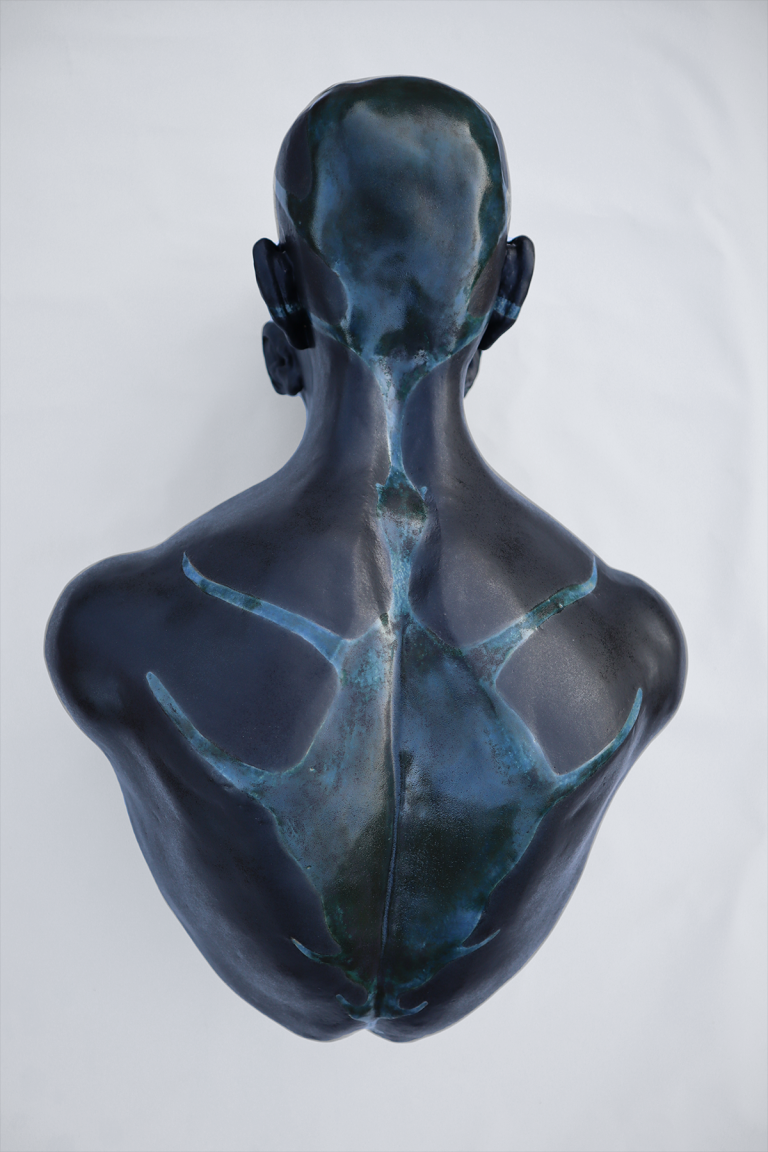
Murmurs of the Deep X: I Remember Being You

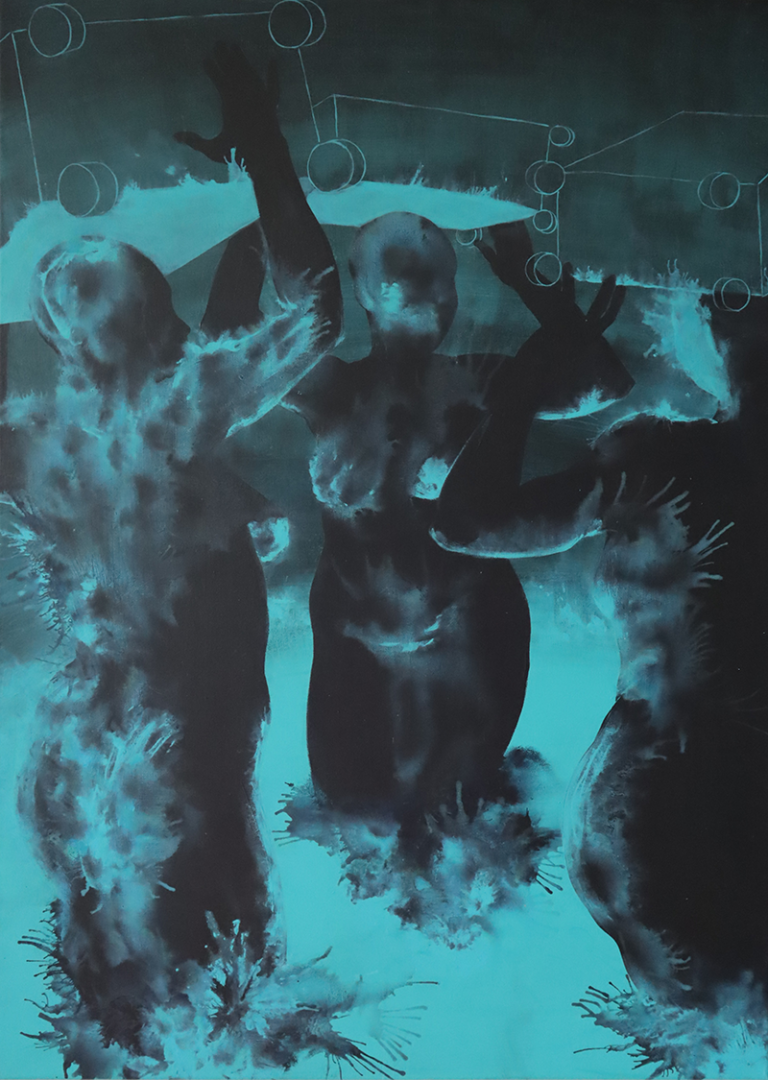
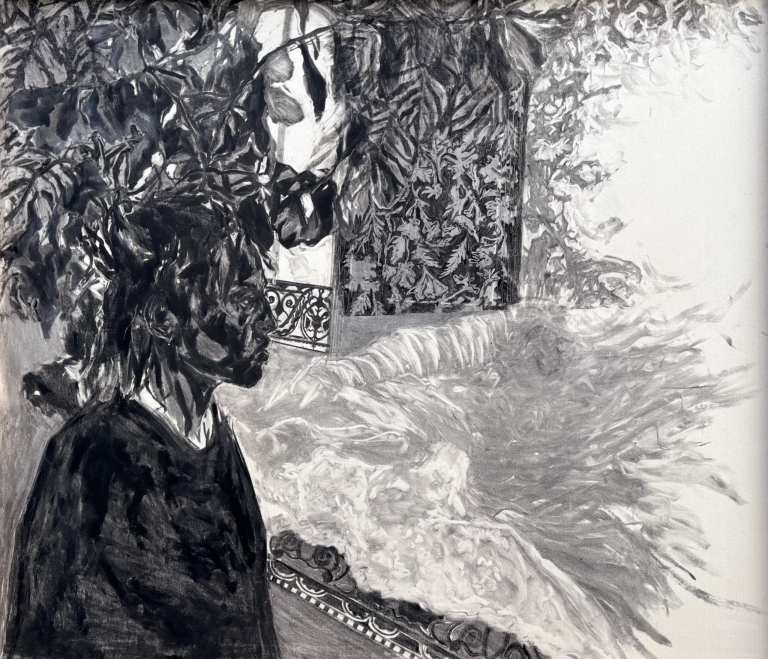
Laura Arminda Kingsley works primarily with painting, digital images, and sculpture. Her creations immerse the viewer in dense worlds where historical, mythological, and scientific references intermingle. She engages both Afrocaribbean inheritances and the pre-Columbian cultures of the Caribbean, which have often remained little known or marginalised within dominant narratives.

laura arminda kingsley

painting, sculpture and digital art

IMG_4585_small

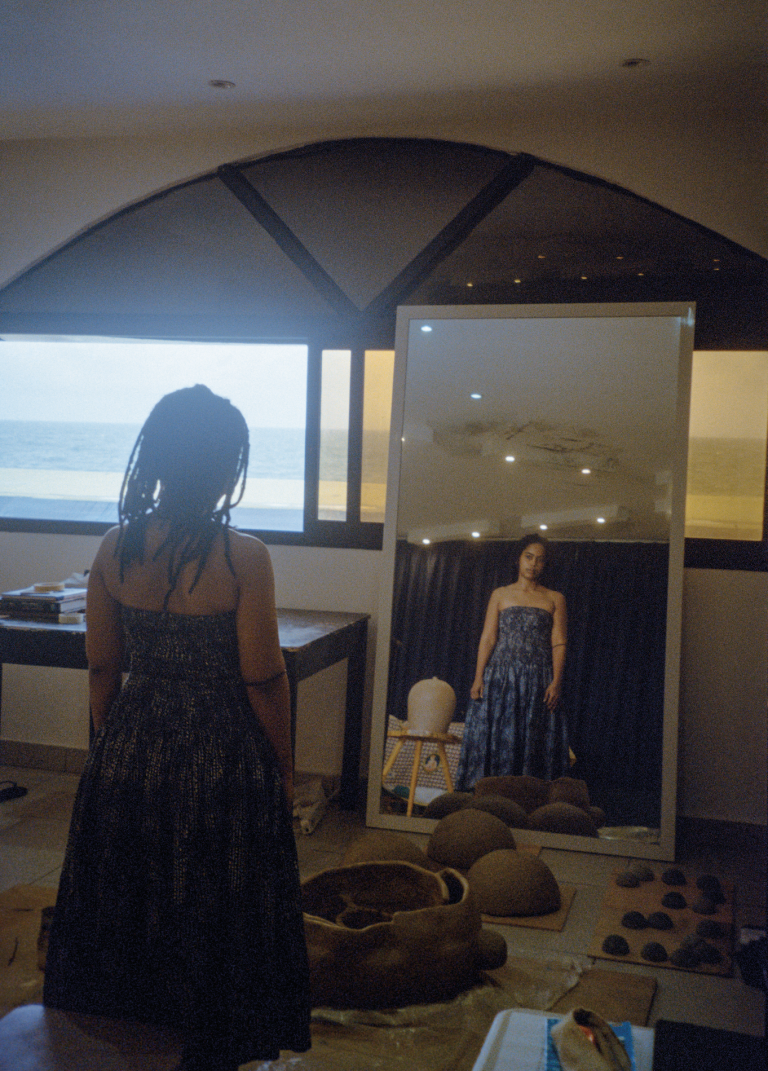
Black Behind the Ears

Laura Arminda Kingsley travaille principalement la peinture, les images digitales et les sculptures. Ses œuvres plongent le regard dans des univers denses, où se mêlent références historiques, mythologiques et scientifiques. Elle s’intéresse à la fois aux héritages afrocaribéens et aux cultures précolombiennes des Caraïbes, souvent méconnues ou marginalisées dans les récits dominants.

laura arminda kingsley

painting, sculpture and digital art

Simetries6_small

Symmetries VI

Kingsley mobilises microbiology as a framework for reflection. She reminds us that all life is interconnected, that human beings are not separate from nature but fully part of it. Through her texts and images, she proposes a shift in perspective: to think of oneself not as an isolated individual, but as the result of a long history of the living, shaped through transformation and adaptation.

This approach also makes it possible to rethink questions of identity. Rather than treating them as fixed or closed, the artist presents them as processes in constant transformation. Identities thus become dynamic constructions, shaped by multiple influences.


laura arminda kingsley

painting, sculpture and digital art

Simetries5_small

Symmetries V

Kingsley mobilises microbiology as a framework for reflection. She reminds us that all life is interconnected, that human beings are not separate from nature but fully part of it. Through her texts and images, she proposes a shift in perspective: to think of oneself not as an isolated individual, but as the result of a long history of the living, shaped through transformation and adaptation.

This approach also makes it possible to rethink questions of identity. Rather than treating them as fixed or closed, the artist presents them as processes in constant transformation. Identities thus become dynamic constructions, shaped by multiple influences.

laura arminda kingsley

painting, sculpture and digital art

Simetries4_small

Symmetries IV

Kingsley mobilises microbiology as a framework for reflection. She reminds us that all life is interconnected, that human beings are not separate from nature but fully part of it. Through her texts and images, she proposes a shift in perspective: to think of oneself not as an isolated individual, but as the result of a long history of the living, shaped through transformation and adaptation.

This approach also makes it possible to rethink questions of identity. Rather than treating them as fixed or closed, the artist presents them as processes in constant transformation. Identities thus become dynamic constructions, shaped by multiple influences.

laura arminda kingsley

painting, sculpture and digital art

Simetries3_small

Symmetries III

Kingsley mobilises microbiology as a framework for reflection. She reminds us that all life is interconnected, that human beings are not separate from nature but fully part of it. Through her texts and images, she proposes a shift in perspective: to think of oneself not as an isolated individual, but as the result of a long history of the living, shaped through transformation and adaptation.

This approach also makes it possible to rethink questions of identity. Rather than treating them as fixed or closed, the artist presents them as processes in constant transformation. Identities thus become dynamic constructions, shaped by multiple influences.

laura arminda kingsley

painting, sculpture and digital art

Simetries2_small

Symmetries II

Kingsley mobilises microbiology as a framework for reflection. She reminds us that all life is interconnected, that human beings are not separate from nature but fully part of it. Through her texts and images, she proposes a shift in perspective: to think of oneself not as an isolated individual, but as the result of a long history of the living, shaped through transformation and adaptation.

This approach also makes it possible to rethink questions of identity. Rather than treating them as fixed or closed, the artist presents them as processes in constant transformation. Identities thus become dynamic constructions, shaped by multiple influences.

laura arminda kingsley

painting, sculpture and digital art

Simetries1_small

Symmetries I

Kingsley mobilises microbiology as a framework for reflection. She reminds us that all life is interconnected, that human beings are not separate from nature but fully part of it. Through her texts and images, she proposes a shift in perspective: to think of oneself not as an isolated individual, but as the result of a long history of the living, shaped through transformation and adaptation.

This approach also makes it possible to rethink questions of identity. Rather than treating them as fixed or closed, the artist presents them as processes in constant transformation. Identities thus become dynamic constructions, shaped by multiple influences.

laura arminda kingsley

painting, sculpture and digital art

Copyright 2021 Gallery Brulhart © All Rights Reserved